Browne's Addition
Spokane's mining-boom mansions, Spokane's oldest park and a good walk to match
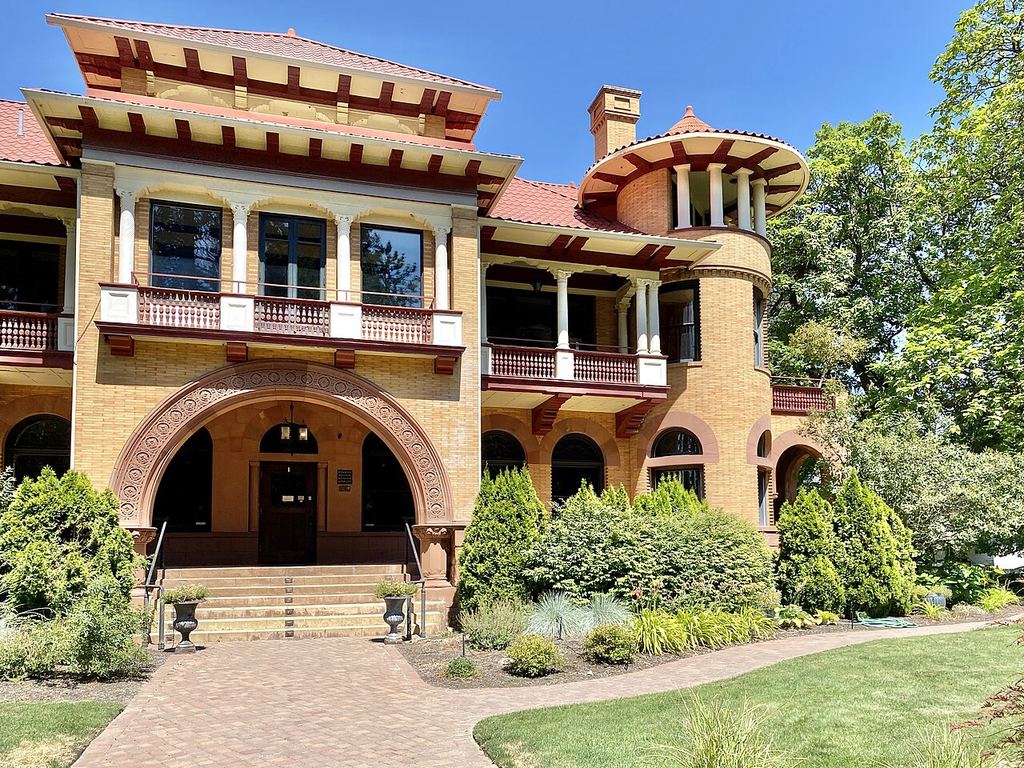
Browne's Addition is where Spokane's first fortunes got spent. Mining money poured into the city in the 1890s, and the families who made it built big houses on a flat bench just west of downtown, above the river.
A lot of those houses are still standing. A walk down 1st and 2nd Avenues takes you past Tudor, Colonial Revival and Renaissance Revival mansions, then into Coeur d'Alene Park, which is the oldest park in the city.
It is a neighborhood where people actually live, so treat it like one. Walk on the sidewalks, take photos from the street and leave the porches alone. Give it 60 to 90 minutes, plus time at the museum if you want it.
What to see and do
Built in 1897-98 in a Renaissance Revival style for Patrick Clark, who made his money in mining. It is one of the neighborhood's showpieces to see from the street.
An 1898 Arts and Crafts English Tudor Revival house, now part of the Northwest Museum of Arts & Culture and open for self-guided tours.
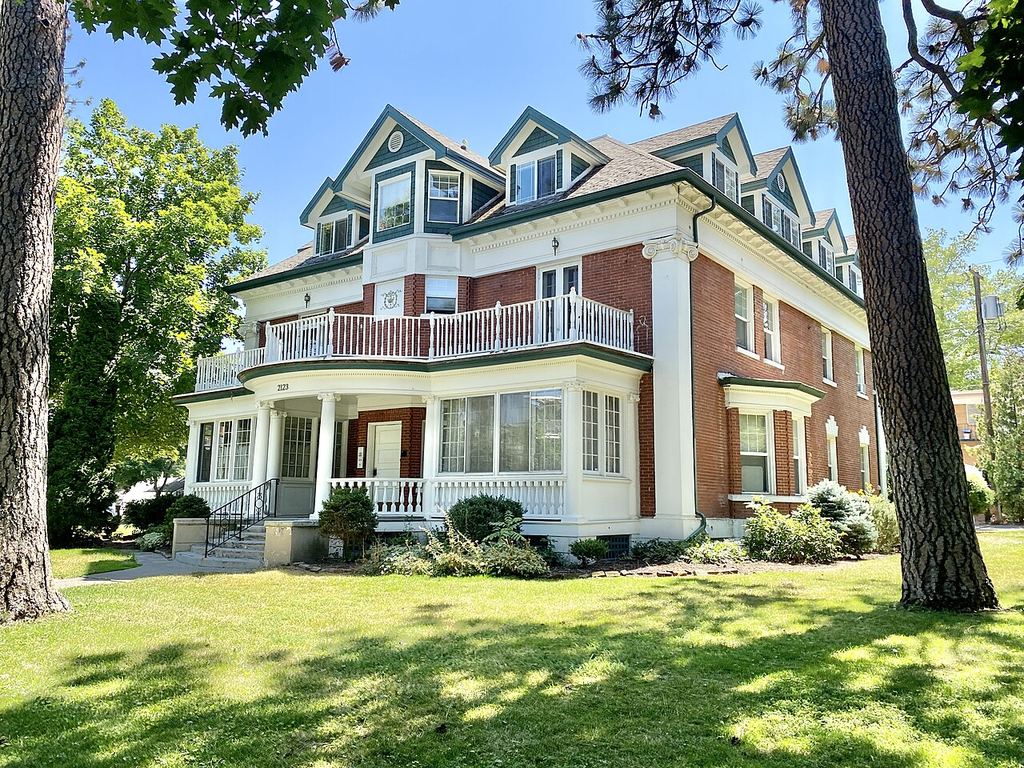
A Colonial Revival house built in 1900 for Jay P. Graves, designed by Kirtland Cutter. It stands on 1st Avenue.
Another Cutter-designed house, at Poplar Street and 1st Avenue, built for John A. Finch.
Spokane's first park, dating to 1891. It is a good place to sit down after the walk.
Local tips
- Start at the Northwest Museum of Arts & Culture, where parking is free in the garage, then walk the neighborhood on foot.
- Stick to 1st and 2nd Avenues for the best concentration of mansions.
- Most houses are private. Photograph from the sidewalk and respect residents.
- Go in late afternoon in summer for softer light on the brick and stone.
- Combine it with a Campbell House tour, included with museum admission.
- Wear comfortable shoes. The neighborhood is flat, but the walk adds up.
- Look for the Cutter-designed houses. Cutter and Malmgren's work is the thread that ties the area together.
A little history
After the Northern Pacific Railroad reached Spokane Falls in 1881, landowners Browne and Cannon platted the area by 1883 and started selling lots. They set aside almost 10 acres for a park, and in 1891 Coeur d'Alene Park became Spokane's first park.
After the 1889 fire downtown, wealthy mining and business families built here, hiring leading architects. Between 1897 and 1900 the architects Kirtland Cutter and Karl Malmgren designed houses for John A. Finch, Patrick Clark, Amasa Campbell and others, in styles from English Tudor to the very eclectic Clark Mansion.
Have a great photo of Browne's Addition? Share it
We'd rather show the real thing than a stock shot. Send a photo you took or have the rights to and we'll credit you on this page.
Photos
Happening nearby
Questions visitors ask
What is Browne's Addition known for?
It is a historic neighborhood west of downtown Spokane known for mansions built during the 1890s mining boom and for Coeur d'Alene Park.
Can you go inside the mansions?
Most are private homes or businesses. Campbell House, run by the Northwest Museum of Arts & Culture, is open for tours.
Where is the oldest park in Spokane?
Coeur d'Alene Park in Browne's Addition, dating to 1891, is Spokane's first park.
Where do I park in Browne's Addition?
The Northwest Museum of Arts & Culture has a free garage, and there is street parking nearby.
Who designed the mansions?
Many were designed by Kirtland Cutter and Karl Malmgren between 1897 and 1900, including houses for Finch, Clark and Campbell.
More historical staples
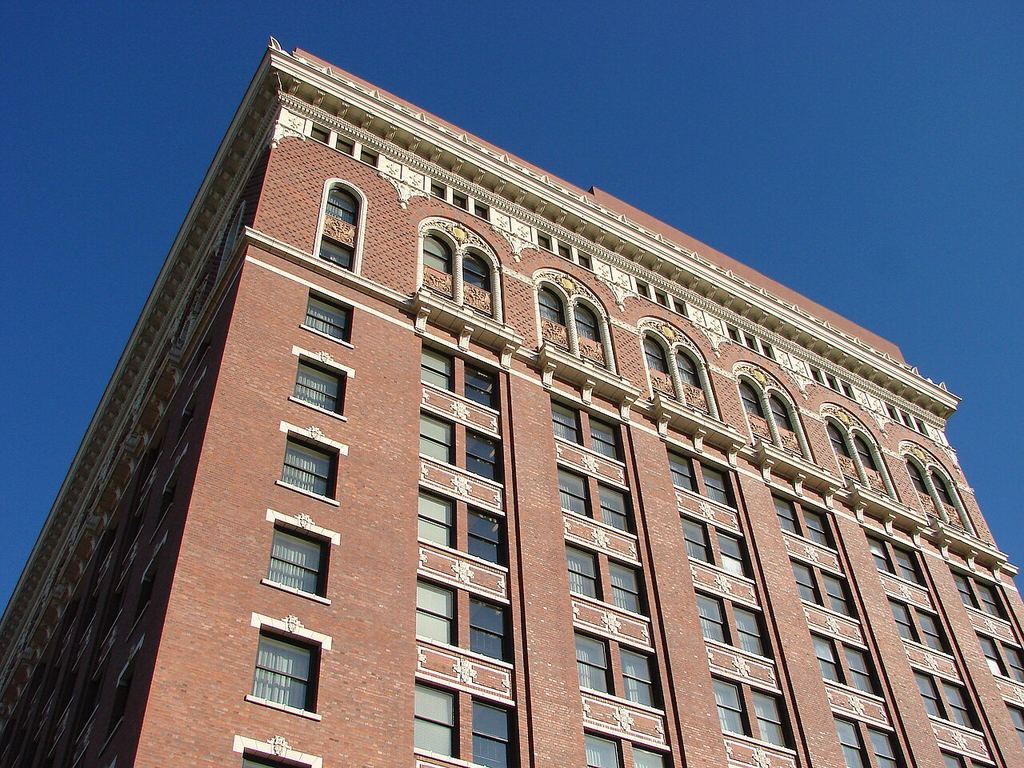 Historic hotel · DowntownThe Historic Davenport HotelSpokane's 1914 grand hotel, with a lobby the city calls its living room.
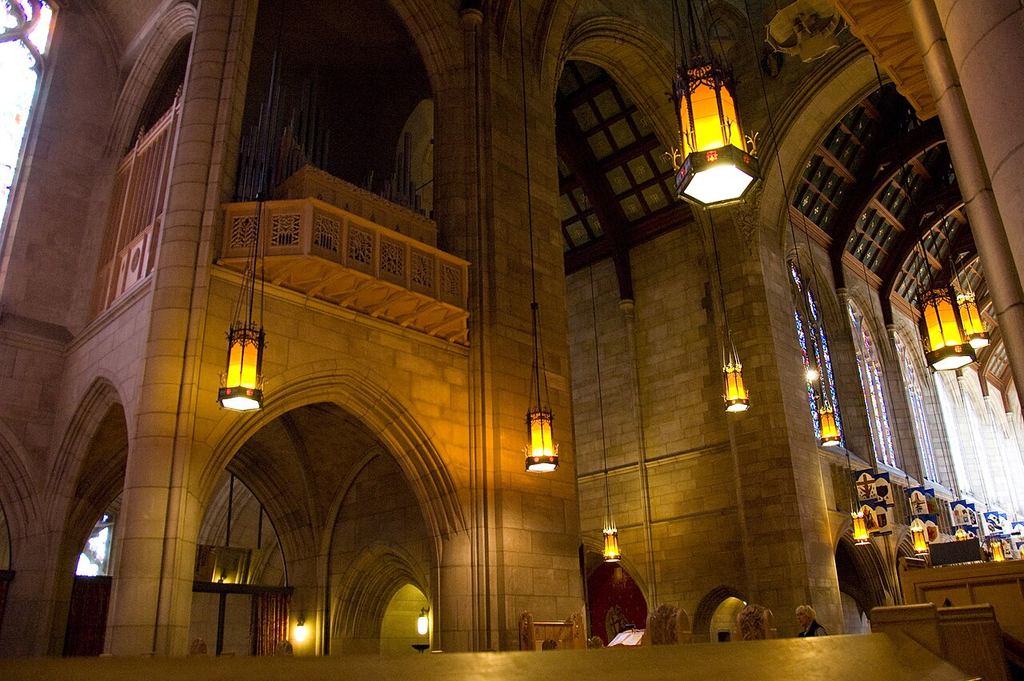 Landmark · South HillCathedral of St. John the EvangelistA stone Gothic cathedral on the South Hill, with stained glass and a 49-bell carillon
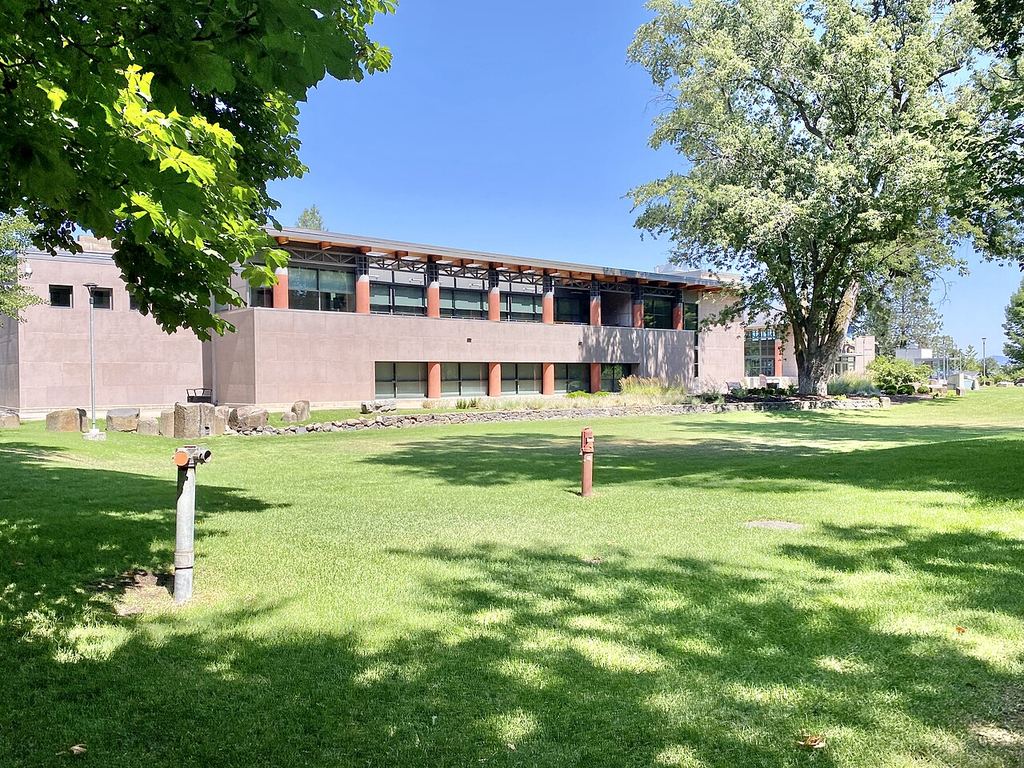 Museum · Browne's AdditionNorthwest Museum of Arts & Culture (the MAC)Regional art, Native culture and a restored 1898 mansion, in one Spokane visit